


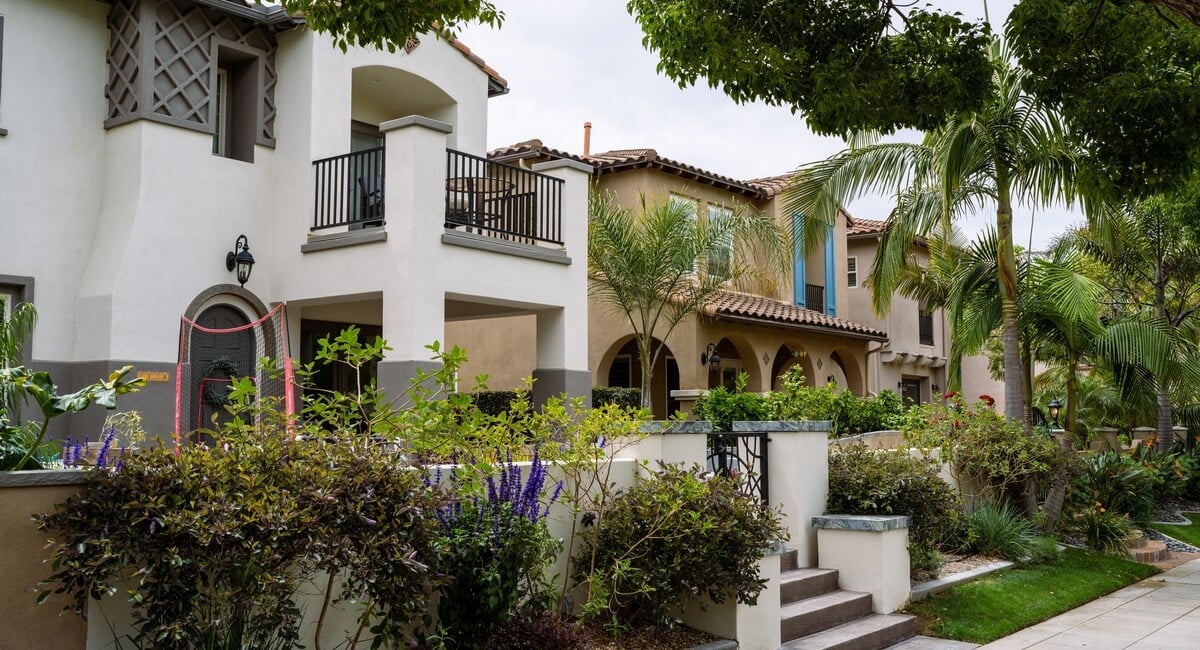
Most real estate experts agree that location is the most important factor when buying a home. Not only does the neighborhood and city that you live in make a huge difference in your lifestyle, but the placement of your home on the block matters, too.
Corner lots are often associated with higher property values because they offer more space and privacy from neighbors. It’s not always the case that a corner lot increases home value, though. A corner lot can also present some unique issues that may turn potential buyers away. If you own a house on a corner lot or are considering buying one, you should understand both the benefits and drawbacks of the placement.

Downsides of Corner Lots
At first consideration, the corner lot may seem like the perfect placement for your dream home. However, there are some downsides to living on a corner lot. If enough of these issues are present, a corner home could actually be worth less to prospective buyers than a home in the middle of a block.
Here are some of the biggest disadvantages of corner lots:
Increased Visibility
Some homeowners with corner lots feel like they have more privacy because they only have neighbors on one side. However, your house and yard will be more visible to passersby. This is especially concerning for potential buyers if the house sits near a major road or busy intersection.
Noise
Homes on corner lots can be more susceptible to noise pollution. Traffic noise comes from two streets and can be especially loud at the intersection. While fences or landscaping can help block some sounds, home buyers who value peace and privacy will not like how noisy a corner lot can get.
Landscaping Challenges
Corner lots are usually larger, which can be valuable to some home buyers. However, larger lots are also more expensive and time-consuming to keep up with. Corner lots often have unique layouts, too, making it more difficult to figure out a good landscaping scheme. You might end up with awkward or unusable spaces in your yard due to the corner placement.
Fencing Limitations
Installing a fence can be a great way to mitigate some of the concerns of a corner lot. However, fencing on a corner lot has its own challenges. It can be significantly more expensive to install fencing on a corner lot because there’s more perimeter to cover. Some cities place restrictions on the placement or height of fences on corners, too, to prevent obstructed sightlines for drivers.
Light Pollution
Light pollution can be a major issue for corner homes in suburban neighborhoods. Streetlights are often placed on corners and could shine directly into your windows. A traffic light at the intersection could also cause light pollution. Headlights from cars traveling both streets can be a nuisance, too.
Risk of Accidents
Intersections are one of the most common places for accidents to occur, which can be concerning for homeowners on corner lots. Not only is there a higher risk of being involved in an accident when pulling out of your driveway, but a severe accident in the intersection could result in your yard, fence, or even your house being damaged. You might even face higher home or auto insurance premiums due to this risk.

Risk of Burglary
Homes on corner lots can be more vulnerable to burglaries depending on their visibility and accessibility. If it’s easy to sneak in and out without being observed by neighbors, your home could become a target. While installing lights or a security system could reduce your risk, this adds an extra recurring expense to your budget.
Tax Burden
If your corner lot is larger than the neighboring lots, your property taxes will also probably be higher. Prospective buyers have to consider the total cost of owning the house, which includes taxes. If the tax burden is too high, buyers may turn their attention to other homes in the neighborhood instead.
Snow Removal Issues
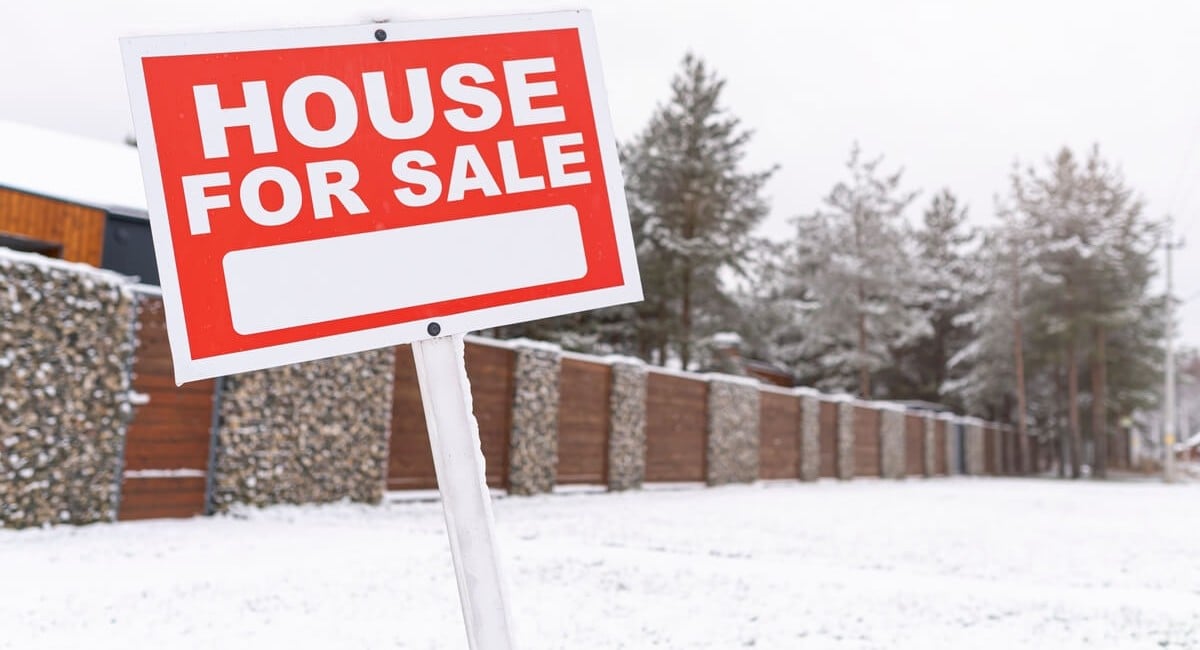
If you live in a snowy climate, snow removal can create some big challenges on corner lots. Plows can pile the snow up from both intersecting streets around your house, resulting in a giant mound of snow across your driveway that you’ll need to remove. These massive snowbanks can also take a long time to melt in the spring and could cause issues with excess moisture around your yard.

When Corner Lots Add Value
Corner lots have their advantages as well as their drawbacks. These benefits can offset the downsides of living on a corner lot and, in some cases, can boost the house’s value. Here are five ways that a corner lot can add to a property’s value:
Larger Lot Size
Large lots present their challenges, but some home buyers find them highly desirable. More yard means more opportunities for gardens, pools, patios, fire pits, or other enjoyable outdoor spaces. If your corner lot has a big usable lawn, this can greatly boost its resale value.
More Natural Light
Homes on corner lots tend to have fewer obstructions, and the sun is less likely to be blocked by neighboring homes. Natural light is an incredibly valuable feature. It boosts mood and energy levels, and it can help to regulate interior temperatures, resulting in lower heating and cooling costs.
Fewer Neighbors
For introverted home buyers, having fewer neighbors is a huge perk. Some buyers seek out corner homes because they’ll only have a neighbor on one side. Although the house is more visible to pedestrians and vehicles, it can feel more private and secluded when it’s not surrounded on all sides by other homes.

Extra Street Parking
If your neighborhood has limited parking, a corner lot may be highly competitive. There are two streets surrounding your house, which means you have double the parking available near your home. This is especially valuable if the driveways in the neighborhood are small or if you frequently have guests over.
Better Views
In many cases, corner homes boast better views than the neighboring properties because the windows aren’t obstructed by other homes. If you live in a scenic, rural area, the views can be especially enjoyable.
Does a Corner Lot Location Help or Hurt Home Value?
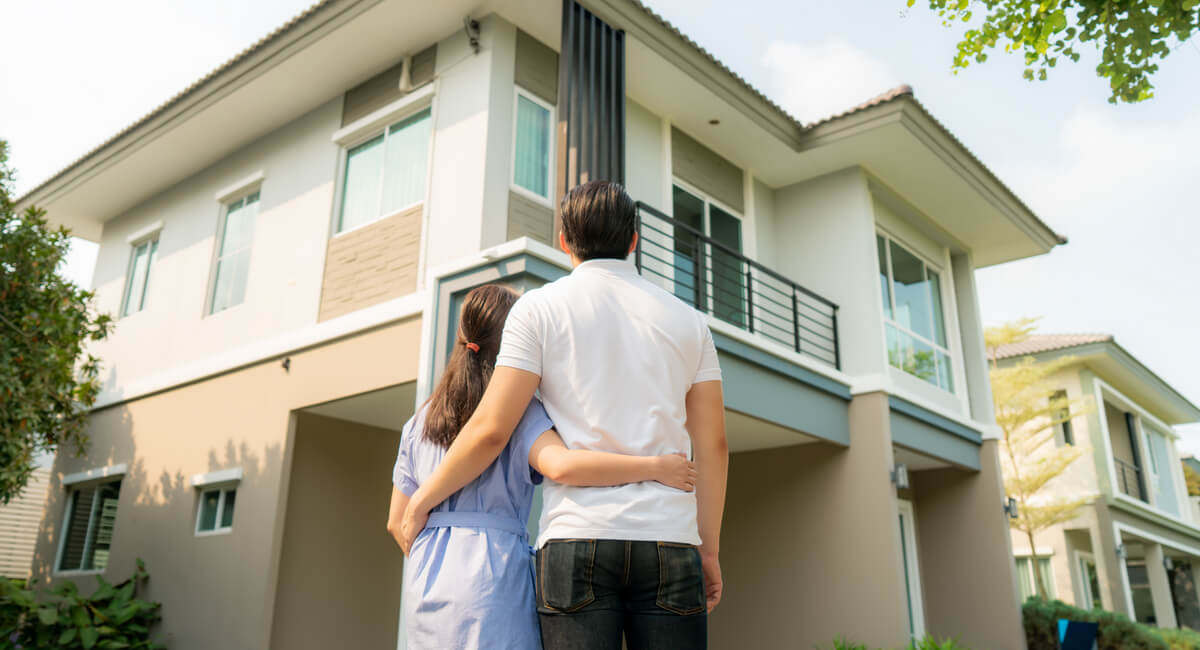
It’s a common misconception that corner homes are always worth more than houses in the middle of the block. There are too many factors involved in determining a home’s value to say with certainty that corner lots are always valued higher.
A home on a large corner lot in a quiet neighborhood with great views will likely be worth more than the adjacent homes. A corner home on a loud, brightly lit street with a lot of traffic may be worth less. To understand whether a corner placement helps or hurts your home’s value, you have to consider all of the factors that could impact your quality of life and cost of living.
If you’re planning to sell your corner lot home, you should work with an experienced real estate agent to come up with a marketing strategy. If you’re considering purchasing a corner home, consult with your agent to determine how the corner placement could affect your offer price.


Leave a Reply