


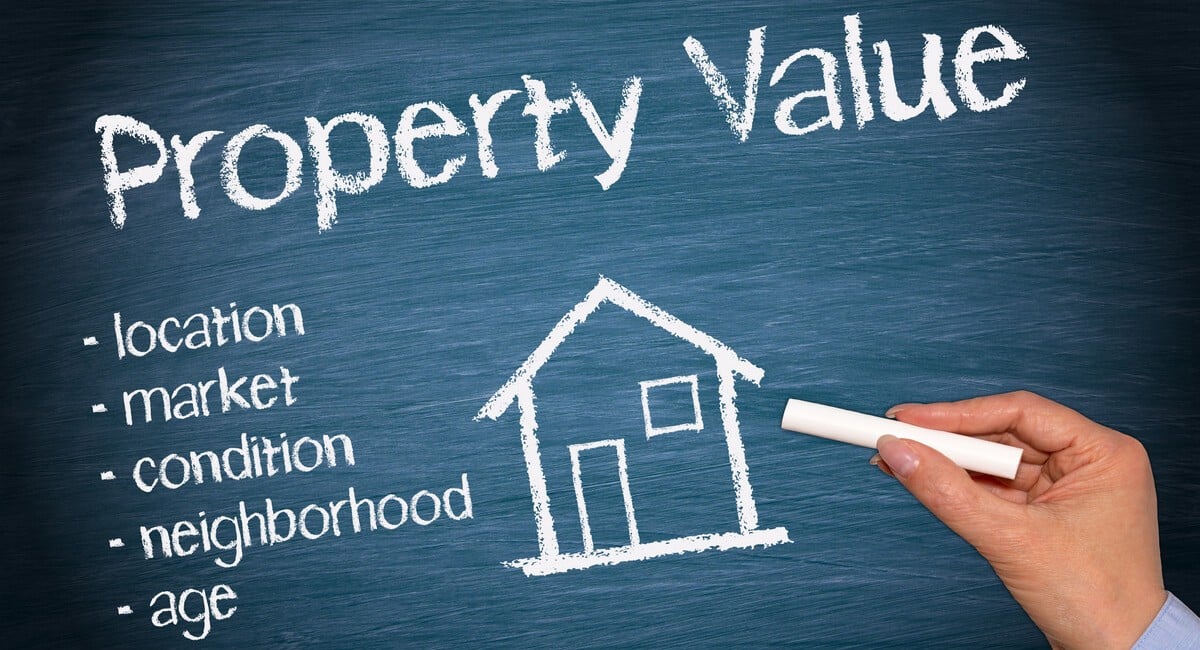
When you hear about future development plans in your neighborhood, you might wonder how the projects will impact your property value. While development often drives commercial and residential growth, it can sometimes turn home buyers away.
To predict how development plans will affect your home’s value, you should understand the pros and cons of different projects and how development can impact rural, suburban, and urban home buyers.
Common Types of Development Near Residential Neighborhoods
Different development projects can have different impacts on home values in your neighborhood. The following are some of the most common projects you may see pop up in your community:

Apartments and Condos
Apartment and condo complexes are popular projects in and outside of city centers. In suburban neighborhoods with mostly single-family homes, an influx of apartment or condo buildings can indicate that the area will undergo commercial development as well. In growing neighborhoods, it’s common to see buildings with commercial space on the first floor and residential units above.
Schools
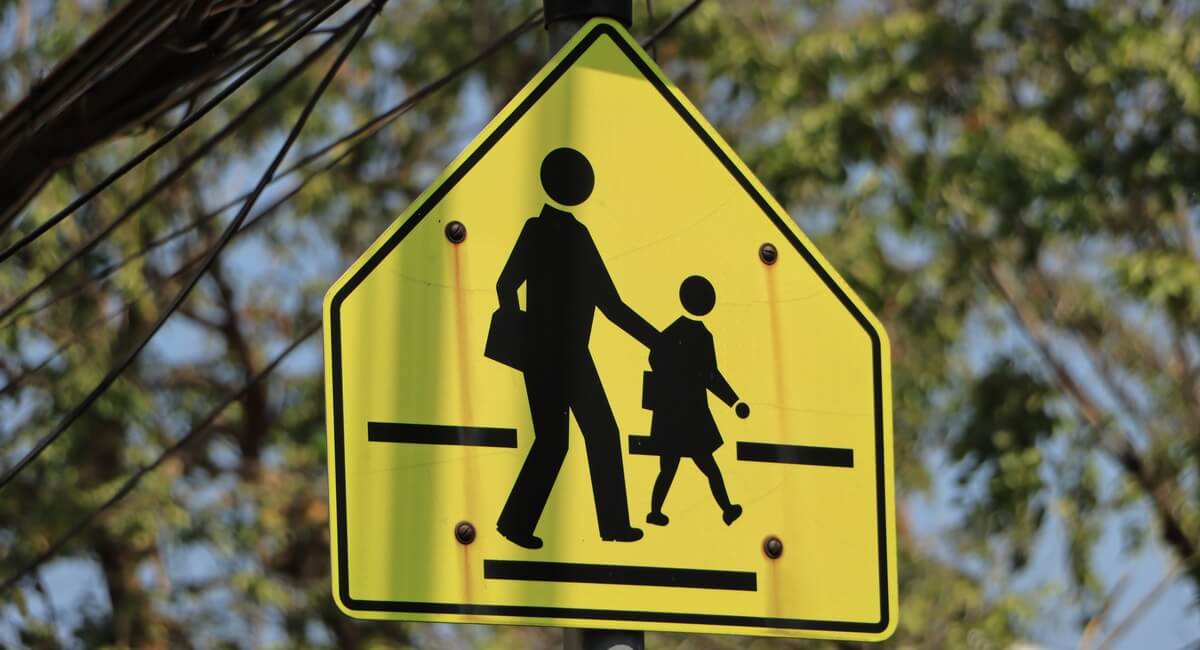
New schools may be built to accommodate growing communities or to replace old and outdated school buildings. In most cases, a new school in the area is great for property values. Not only do families like living near schools, but a newly built school is a sign that your city is investing in itself, which attracts home buyers.
Commercial Space
Commercial development can include office parks, stores, restaurants, theaters, nightlife, and other businesses. You’ll typically see new commercial projects in urban areas and in dense, walkable suburbs.
Public Transportation
Creating or expanding a public transit system is a lengthy and complicated process. Adding a new train or subway station can require a complete overhaul of the local infrastructure. Expanding the bus route could require the roads to be widened or the traffic patterns to be changed. Although these projects are inconvenient while in process, the results can be great for homeowners in the area.
Industrial Buildings
Warehouses and factories can pop up anywhere. These developments have strong pros and cons for local homeowners. While the introduction of new industrial spaces can create jobs and bring workers to the area, it can also cause concerns about noise and pollution.

Positives of Development Near Your Home
New development can bring a lot of opportunity to a community. When a neighborhood has more to offer, more people want to live there. Demand for housing rises, and as a result, your home value rises as well.
Buying in a neighborhood that’s about to undergo major development can be a great way to maximize your return on investment.
Here are some of the key benefits that development has for home values:

Convenient amenities
Proximity to shops, schools, parks, and other services and amenities is one of the biggest drivers of housing prices.
Many families prefer to live within walking distance of local schools and parks. Young professionals value living near shops or restaurants. New commercial and community developments help people feel connected, and home buyers will pay a premium for it.
New Jobs
Commercial and industrial development brings jobs to the area. Not only does the development project itself create jobs, but the new stores, warehouses, and businesses will also attract workers.
People like living close to work, so they’ll look to the nearby neighborhoods for housing. When commercial development strengthens the job market in your area, housing will become more competitive.
Benefits for Commuters
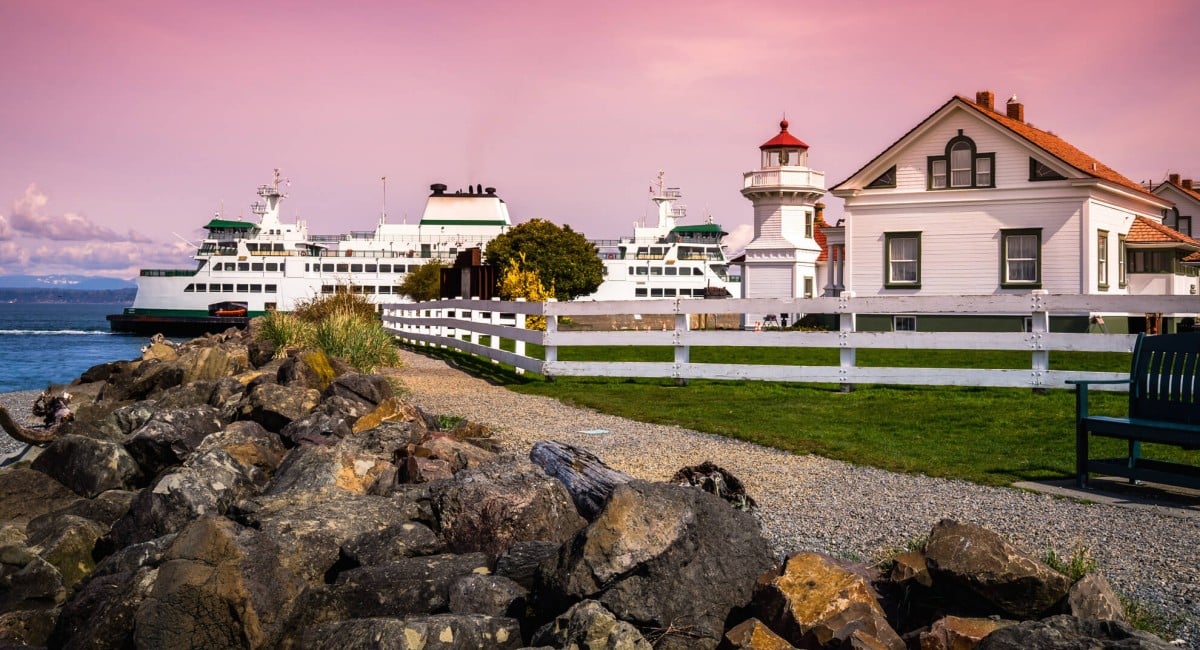
Access to public transportation can be a huge selling point for home buyers. Commuters are often willing to pay extra to live near the train or bus.
The development of new transit can make your neighborhood accessible to an entirely new group of potential buyers who otherwise wouldn’t be able to live there. With this increased demand, selling your house will be a breeze.
Better Infrastructure
New development often results in better infrastructure in the neighborhood overall. This could include road paving, utility upgrades, or better upkeep of parks and community spaces.
When a neighborhood gets more traffic from residents or workers, the city tends to keep investing in it. Quality of life improves, and property values rise.
Downsides of Development Near Your Home
In many cases, new development is a sign that a neighborhood is about to take off in popularity. However, development isn’t always positive for homeowners. Sometimes, it can cause housing prices to stagnate or decline.
This is most common in rural or suburban communities where homeowners value peace and privacy. Development projects can bring unwanted chaos to an otherwise quiet neighborhood.
Here are some of the possible downsides of development near your home:
Noise
Development projects are noisy, and most people don’t want to buy a house that will be subject to construction noise for months or years on end. For large, long-term projects, you may need to wait until the development is complete to sell your home successfully.
However, some new developments create ongoing noise that may deter home buyers forever. Factories, warehouses, and other industrial locations can create round-the-clock noise. Trains can be loud and disruptive, too.
If your neighborhood is beloved for its quiet and peaceful atmosphere, the noise introduced by a new development could hurt your home’s value.

Traffic
New homes and businesses bring about new traffic. This can create concerns about noise, increased commute times, and air pollution in the neighborhood. An influx of traffic can cause difficulties with parking, too.
In rural areas or quiet suburbs, excessive vehicle traffic is a big nuisance. People may move away from the area, leading to an oversupply of available houses that drives prices down. Additionally, home buyers might look elsewhere to communities that offer the peace and quiet of rural living without the traffic.
Obstructed Views
If your property boasts a beautiful view of a natural landscape or city skyline, a new development could get in the way. You paid for the view when you purchased your home, but the next buyer won’t get the same perk. Unfortunately, you may see a direct impact on your return on investment.

Increased Housing Supply
New residential developments are sometimes a positive sign for homeowners. If a neighborhood is exploding in popularity, a few new apartment buildings will barely make a dent in the demand for housing in the area.
However, when the supply of new homes increases too much, it can cause housing prices to stagnate. With less demand among buyers, you’ll have to reduce your asking price to get offers.
New development has the power to help or hurt your home’s value. In some areas, development can greatly increase the demand for housing. In others, construction projects detract from property value. Practically every development plan has positives, though. If you’re planning to sell your house while development is underway, lean into the benefits of the project to market your home and appeal to the right buyers.


Leave a Reply