



Moving is stressful enough without having to worry about whether you’ll get your security deposit back. You likely need the money for your new home or apartment and there’s no reason for you to lose any of it, as long as you and your landlord comply with the rental agreement and state laws.
Read on to learn what to do to ensure you get your security deposit back with as little hassle as possible.
Before You Move In
If you haven’t moved in yet (or want to make sure you do it right the next time), there are a few things you can do before signing the lease to make it easier to get your deposit back when you move out. Do a walk-through with the landlord and make note of any pre-existing damage.
Once you move in, take date-stamped photos or videos. Be sure to record any signs of damage. Email all images to your landlord for documentation.
Carefully read through your lease so you understand what will be expected when you move out. Some properties don’t allow you to make changes, like painting, so you can avoid these issues long before it’s time to move out.
Review Lease Agreement a Few Months Before Moving Out
When you decide to move, review your lease agreement a few months in advance. You’ll usually be required to give your landlord 30 days’ notice, but some leases require more. You may wind up having to pay an extra month’s rent if you wait too late.
Review all other requirements, such as what you’re expected to clean and repair. That way you’ll have plenty of time to get everything taken care of.

Get the Property Clean
Some properties will require a deep cleaning while others will require a “broom clean.” The problem with a broom clean is that your definition may not match your landlord’s. You may give everything a quick once-over while they expect a full clean. It’s best to contact your landlord and see what’s expected of you.
If you want to be sure there’s no reason for them to deduct anything from your lease for cleaning, go ahead and give the property a thorough clean. Clean the kitchens and bathrooms, sweep, vacuum, and mop, and give everything a wipe-down. Be sure to clean places you can’t see, such as inside appliances and cabinets.
Make Repairs
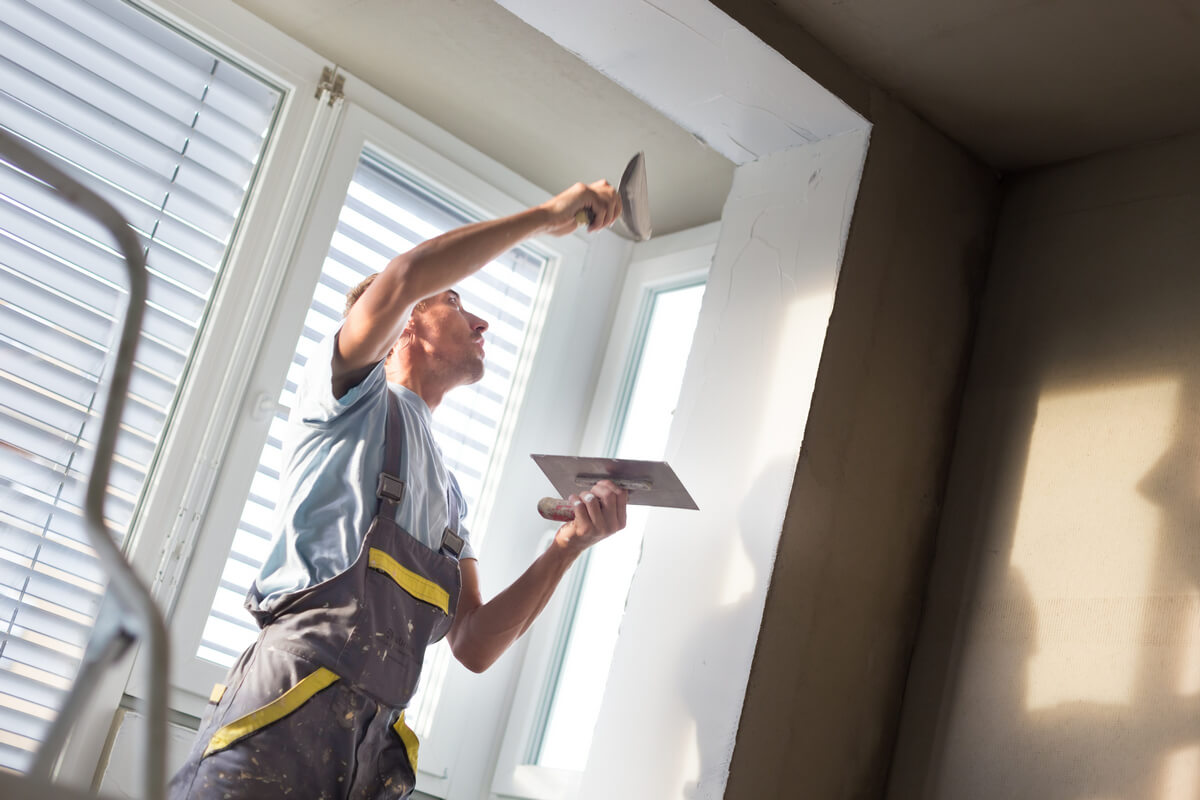
If you’ve caused any damage to the property, you’ll need to make sure everything is repaired. Normal wear-and-tear should be okay, but if you’ve done something like made holes in the walls, you’ll need to fix it. You should be able to do small repairs, like spackling and paint touch-ups on your own, but you may need to hire a professional for anything more challenging. The cost of repairs can save you money in the long run.

Get Everything Out
Don’t leave trash or items you don’t want at the property. The landlord may charge you a removal fee. If you’ve made any additions or improvements to the rental, be sure to remove those as well, even if you think they add value. Most lease agreements require you to leave the property as you found it.
Do a Final Inspection and Document
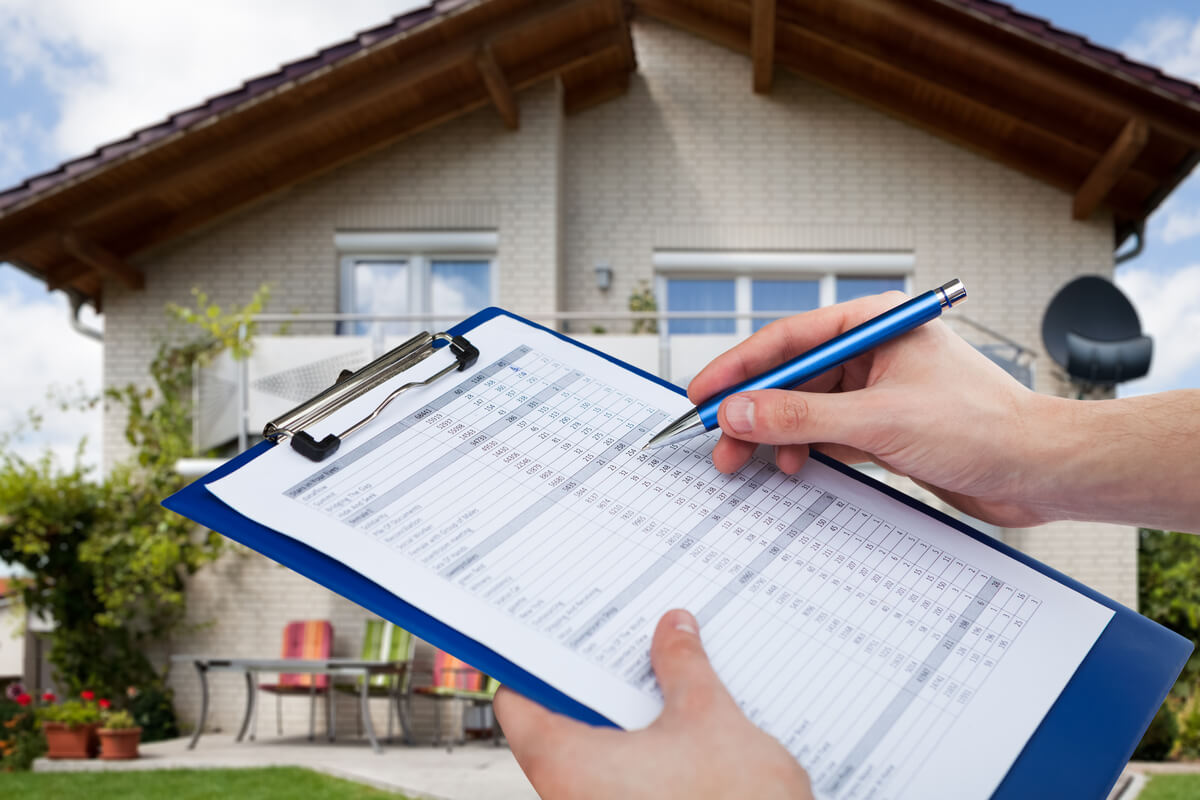
Set up a final inspection with your landlord. Most landlords will meet with you to go over anything else that needs to be done. Complete any necessary repairs or cleaning and then take date-stamped photos/videos of every room. Email those to your landlord for documentation.

Gather All Items to Return
Your security deposit will require you to return all keys issued to you when you moved in. In addition to your door keys, you may have mailbox keys, pool cards, gate cards, etc. If you’ve lost any of these, be sure to notify your landlord. If you’ve lost keys, they may charge you the cost of having new keys made or changing the locks.

Contact Your Landlord
A couple of weeks after you move out, contact your landlord and ask for your security deposit. Some states require the renter to request their security deposit – otherwise, the landlord doesn’t have to return it. Ask for an itemized list of anything that’s deducted. Be sure to include your new address so they can mail it.

Know the Laws
Each state has slightly different laws regarding rental agreements. Most states give landlords 30 days to return security deposits. They also detail what charges can be held out of your deposit. Be sure to read over your state’s laws in case you need to take action.

What to Do if Your Landlord Doesn’t Return Your Security Deposit
Even when you do everything correctly, there’s a chance that your landlord won’t return your security deposit or give you back the entire amount. If 30 days have passed, send a message to your landlord. In most cases, there is just a mixup and they’ll fix it.
However, if they refuse or ignore your message, let them know that you plan to take action. You can take your case to a small claims court. Bring all of your documentation (photos, videos, dated emails, etc.) so that a judge can see that you acted in good faith and did your due diligence.
Wrapping Up
Getting your security deposit back shouldn’t be an issue, as long as you hold up your end of the rental agreement. It’s always a good idea to know what’s expected in the beginning, so you’re not scrambling around to make things right when you’re getting ready to move.
Security deposits can be expensive, and there’s no need for you to lose out on that money. By getting everything done promptly, you can focus on your move and setting up your new home.


Leave a Reply