Buying a house is an emotional decision. Even if you do all the research and weigh every option carefully, choosing a place to live is incredibly personal. It’s very easy to get caught up in the excitement of purchasing your dream home, which may lead to you paying far too much for the property.
Knowing whether or not you’re paying an appropriate amount for your house is difficult. The market is always changing, and there are many manipulative tactics that can artificially drive up the price of a house. To avoid overpaying, you should be aware of the red flags you may encounter. Here are five signs that you’re about to pay too much for a home:

1. The home has been on the market for a long time.
As the market fluctuates, so does the average amount of time homes spend on the market. You can compare the home to others in the area, though, to determine whether or not it’s been on the market for a suspiciously long time.
If a home has been listed for months or even years, there’s probably a reason no one else has bought it. Before you commit to the sale, you should discover why the property has taken so long to be sold. In most cases, a home that’s been on the market for far longer than average should sell for less than similar homes in the area.
Fortunately, the seller might be more likely to negotiate in these situations. Even if the home is listed for an average price for the area, you can probably talk them down since they may be feeling desperate to sell.
2. It’s the most expensive home in the neighborhood.
If the home is comparable to others in the neighborhood, it should not be priced significantly higher. A house that’s priced far higher than its counterparts is a major red flag. Before you put in an offer, you and your realtor should carefully research average home prices in the area.
Knowing what homes typically sell for will make you a more informed buyer and will reduce your risk of overpaying.
You may find that the house costs more because it’s nicer than the others in the neighborhood. However, even if the home is worth the price, it still may not be wise to buy it. Homes typically depreciate in value over time while land becomes more valuable.
An expensive home in an average or below average neighborhood may not sell for such a high price in the future. Location is key, so it’s important to consider the area as well as the home itself.
3. The inspection is less than ideal.
No matter what you’re paying for the home, the inspection is one of the most crucial steps in the process. You need to know whether there are any serious issues with the property so that you can negotiate successfully with the seller.
If the home has old appliances, foundational issues, or other problems, these issues probably contradict its large price tag. After the inspection, you can either offer a reduced price for the home or request that the seller make the repairs before closing.
4. Online valuation tools contradict the price.
The internet is one of your best resources during your home search. Automated valuation models, or AVMs, take data from past sales, property taxes, and other available reports to estimate the value of a property. Although their estimates aren’t always perfect, AVMs are usually fairly reliable.
If the valuation tool’s estimate is drastically different than the listing price, the seller may be asking for too much. Consult with your realtor about the discrepancy. They should know the neighborhood well enough to tell you whether the AVM’s information is accurate or whether the home really is worth as much as it’s listed for.
5. You feel desperate to complete the sale.
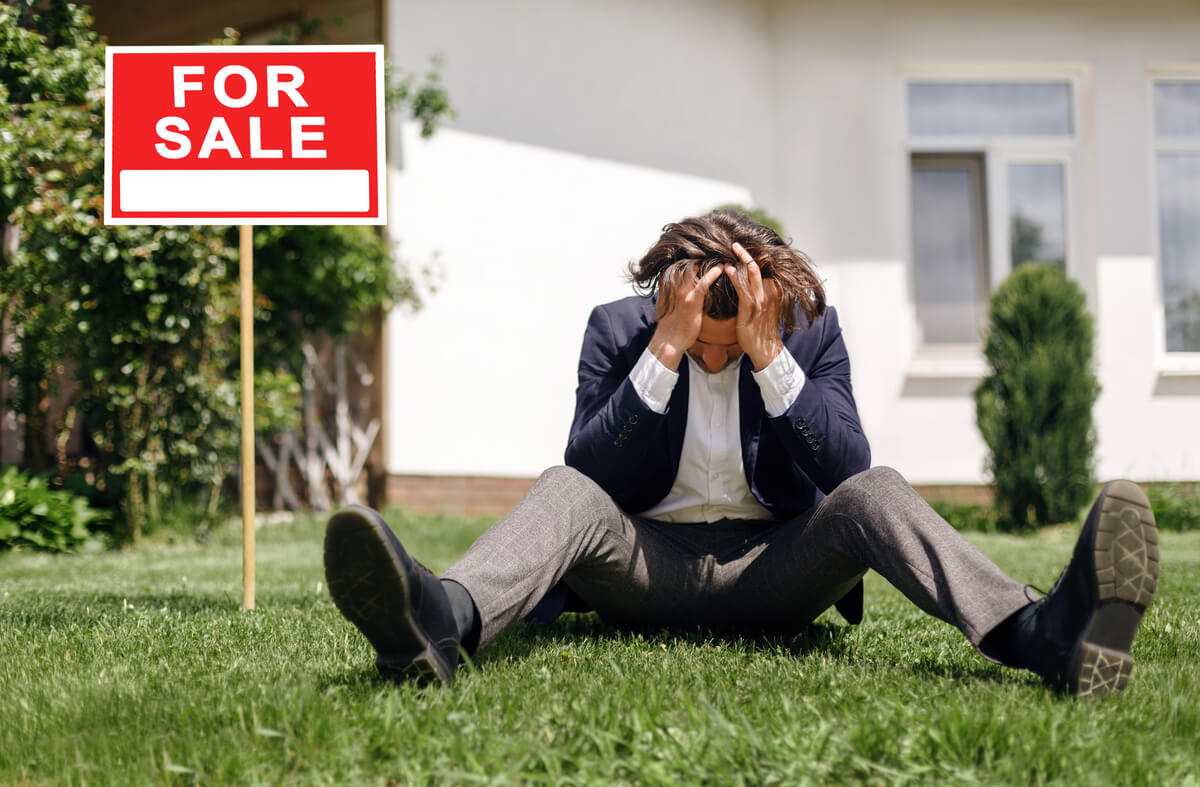
In this case, the problem may not be with the home itself. However, if you’re operating on a tight schedule and are anxious to buy a home as quickly as possible, you’re much more likely to overpay. You don’t have as much time to wait for the perfect opportunity or do extensive market research.
When you can’t spend months searching and deliberating, you might have no choice but to take what you can get. Keep in mind, though, that you may be vulnerable to overpaying. Use the little time you have to research the home and the neighborhood, and try to avoid paying so much that you’ll regret it in the future. Working with a realtor is critical in these situations, too, as your agent can help you find the best possible deal in a time crunch.
Buying a house is an enormous financial commitment. Even if you adore the home, you may end up with serious buyer’s remorse if you overpay. As you search for homes, keep an eye out for these red flags. Research the house and the neighborhood, and work with a real estate agent who knows the area. If you keep a cool head and take your time with your search, you’ll find a home you love without leaving your price range.
————————
Michael Carr is the Co-Founder & COO of BrandFace, LLC. He is also a real estate branding expert and international bestselling author. As America’s Top Selling Real Estate Auctioneer, he has sold billions of dollars in commercial and residential properties.